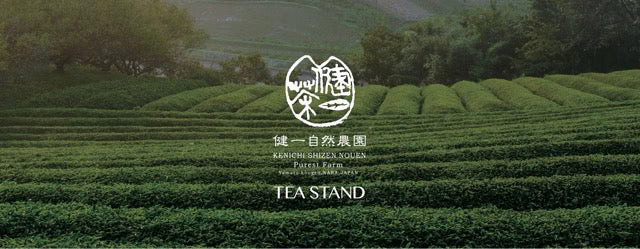
Tea source discussions / Nara, Japan
Kenichi Shizen Nouen
Tea-making through all four seasons.
The farm holds USDA organic certification. It describes cultivation without pesticides or fertilizers.
Explore the farm’s approachJapanese ingredients. Considered skincare.
Skincare is personal. We believe you should understand the ingredients you use and the choices behind them.
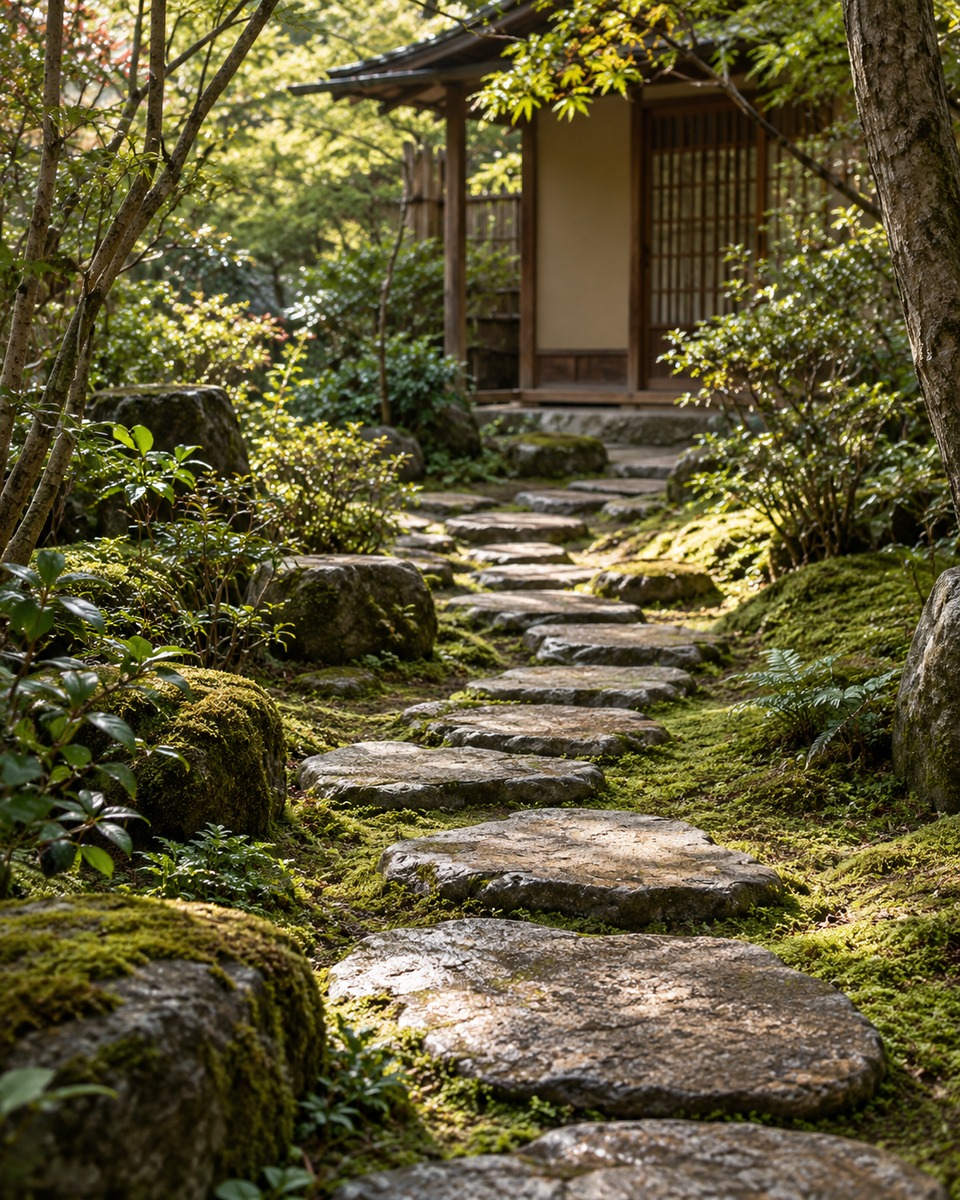
Roji takes its name from the garden path to a tea house: a place to slow down and pay attention.
Our purpose
An ingredient list tells you what’s in a product. We want to help you understand where those ingredients come from, who makes them, and why they were chosen.
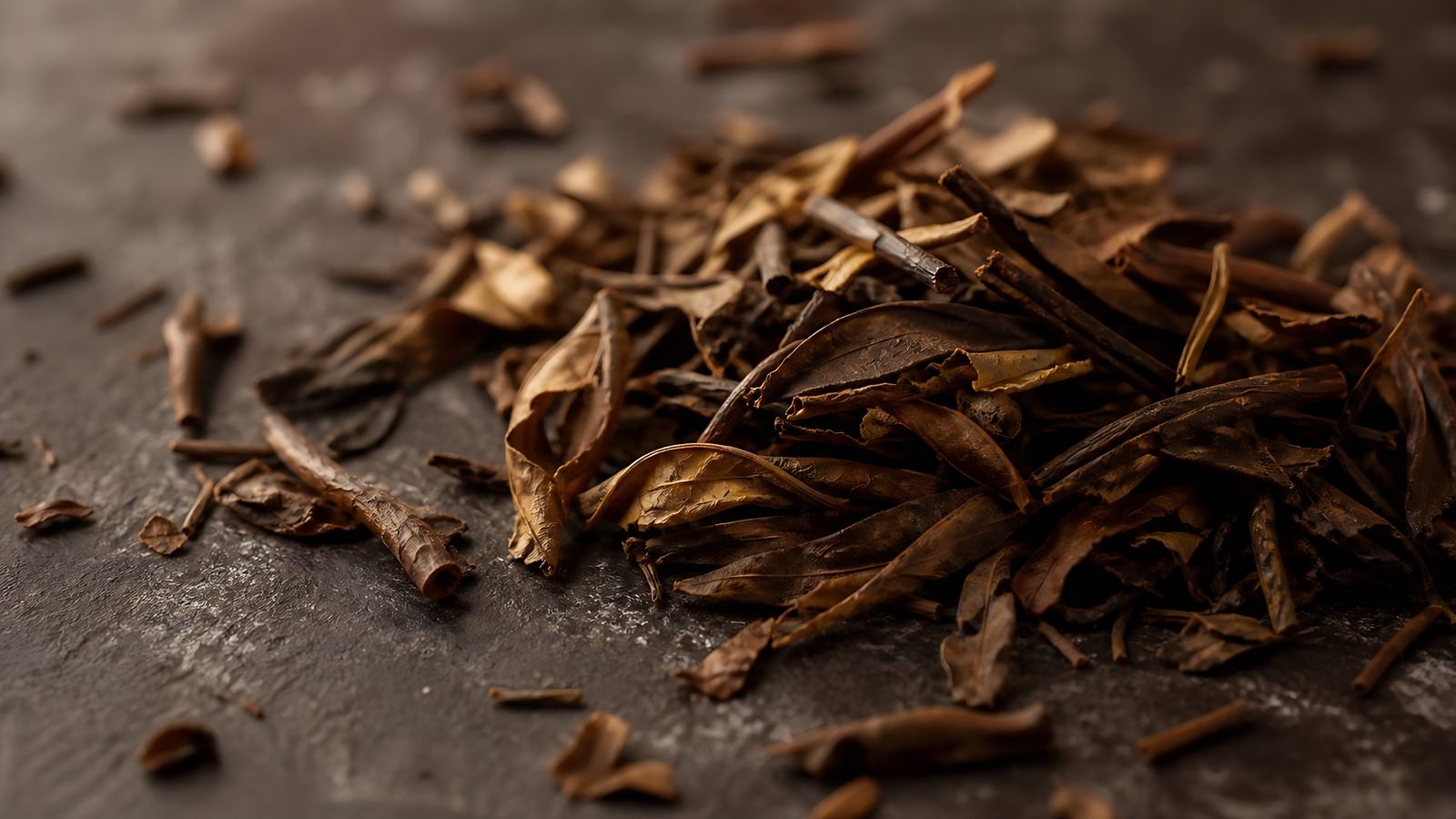
We’re beginning with hojicha, a Japanese roasted green tea. As we develop our first serum, we’re meeting growers and makers, learning about cultivation and roasting, and exploring hojicha’s water-based distillate in skincare.
We’ll share what we learn, the choices we make, and the questions we’re still working through. Our aim is skincare you feel confident choosing because you understand its ingredients and the people behind it.
The ingredient, considered
People & place
Tea source discussions / Nara, Japan
Tea-making through all four seasons.
The farm holds USDA organic certification. It describes cultivation without pesticides or fertilizers.
Explore the farm’s approach
Development discussions / Miyazaki, Japan
From botanical materials to formulation.
At its Miyazaki lab, OML develops botanical extracts, aromatic waters and cosmetic formulations.
Explore OML’s botanical workWe’re in discussions with both organizations. Final sourcing, development and manufacturing arrangements are still being confirmed.
Our first chapter
A facial serum in development around the aromatic water of Japanese roasted tea.